

Depression, anxiety, and sleep disorders can add substantially to the burden of interstitial lung disease, but prevalence estimates in the United States have been difficult to interpret because publications differ in sample size, data source, and measurement instrument. In this setting, variability is not simply statistical noise. It can reveal how strongly prevalence estimates depend on the way comorbidity is identified and measured.
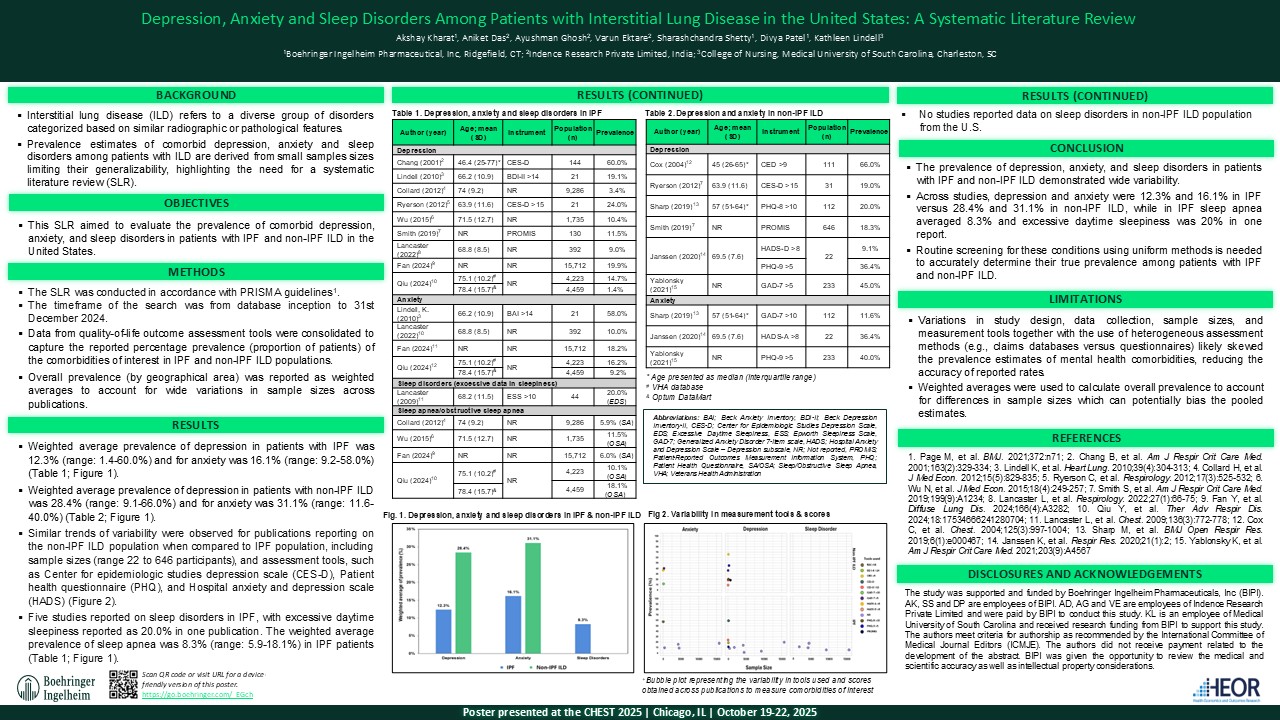
The systematic literature review examined United States evidence through December 2024 and considered idiopathic pulmonary fibrosis separately from other forms of interstitial lung disease. The weighted average prevalence reported for depression was 12.3% in idiopathic pulmonary fibrosis and 28.4% in non-idiopathic pulmonary fibrosis interstitial lung disease. Corresponding averages for anxiety were 16.1% and 31.1%. In idiopathic pulmonary fibrosis, the weighted average prevalence of sleep apnea was 8.3%, while excessive daytime sleepiness was reported as 20% in one publication. No publication from the United States reported sleep-disorder data for the non-idiopathic pulmonary fibrosis interstitial lung disease population. Across the evidence base, prevalence estimates varied widely alongside the assessment tools used.
The secondary value of the review lies in making that heterogeneity visible. Rather than presenting a single prevalence number as definitive, the synthesis shows that estimates of psychological and sleep-related burden are shaped by inconsistent instruments, thresholds, and data sources. This identifies a measurement problem as well as a clinical one. A more standardized assessment would make future prevalence estimates more comparable and help clarify the true burden across different interstitial lung disease populations.